
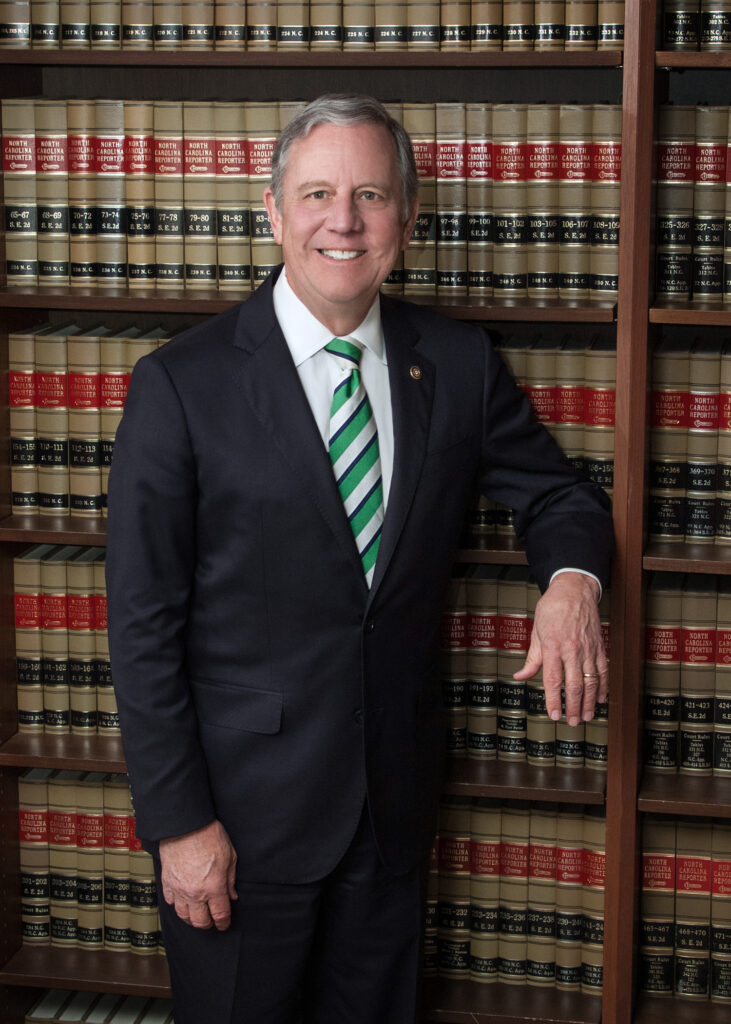
RICK PINTO WINS IN THE N.C. COURT OF APPEALS ON BEHALF OF CENTRAL MUTUAL INSURANCE COMPANY BY POINTING OUT THAT THE PLAINTIFFS FAILED TO SUE THE DRIVER WHO ALLEGEDLY CAUSED A TRAFFIC ACCIDENT
Less than two weeks ago, Rick Pinto prevailed in the North Carolina Court of Appeals in the case of Rowell v. Erie Ins., No. No. COA25-335, 923 S.E.2d 894, 2025 N.C. App. LEXIS 877 (Dec. 17, 2025). The Court affirmed the earlier dismissal by the trial court of the plaintiffs’ claims against both the tortfeasor’s liability insurer and plaintiffs’ own underinsured motorist carrier because plaintiffs had not sued the alleged at-fault driver, and therefore the plaintiffs did not, and could not, establish the predicate liability necessary to trigger coverage.
The plaintiffs were involved in a car accident, allegedly caused by another driver who struck the plaintiffs’ vehicle. The plaintiffs were insured under a policy issued by the Central Mutual Insurance Company, and the other driver was insured by the Erie Insurance Group. One day before the three-year limitations would expire, the plaintiffs filed a pro se Complaint suing only Central Mutual and Erie as defendants. Rick Pinto, on behalf of Central Mutual, moved to dismiss the Complaint for failure to state a claim under Rule 12(b)(6) of the N.C. Rules of Civil Procedure and for failure to join a necessary party pursuant to Rule 12(b)(7). The trial court granted Rick’s motion. The Court of Appeals acknowledged the derivative nature of uninsured/underinsured motorist coverage, i.e., the UM/UIM insurance company’s obligation is conditional on the tortfeasor’s liability and does not attach until a valid judgment is obtained against the tortfeasor. The Court reasoned that because the plaintiffs’ Complaint omitted the alleged tortfeasor entirely, the Complaint failed to state a claim against Central Mutual.